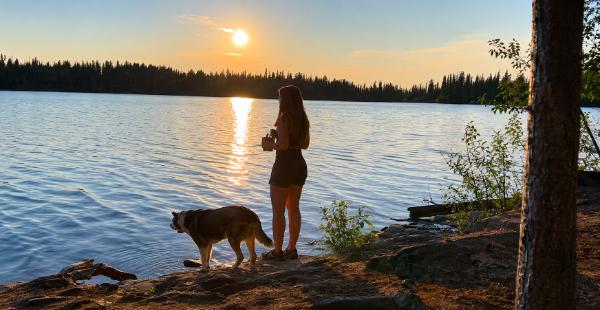
Nowadays, many people enjoy traveling solo. Solo travel isn’t just about visiting new places; it has become a beautiful way to spend time with yourself and live life on your own terms. Traveling with your beloved dog makes the journey even more special, as it offers a unique blend of freedom and the responsibility of caring for your companion.
Keep in mind that paying attention to small details is crucial when traveling with a dog, such as their feeding schedule, resting spots, hydration needs during the journey, and how comfortable they will feel in a new environment. Planning and preparing for these aspects in advance is essential.
If you are planning to travel with your dog for the first time, there is no need to worry. With the right destination, the right mode of transport, and a bit of foresight, the journey can be incredibly comfortable and memorable. In this guide, we will provide all the information you need to ensure a smooth, pleasant trip.
How do I prepare to travel alone with a dog?
The most important step before traveling alone with your dog is thorough preparation; realizing you’ve forgotten an essential item after the journey has already begun can cause unnecessary stress, so it is best to make a checklist in advance.
First, consider your dog’s health; if you are planning a long trip, it is advisable to have a veterinarian perform a general check-up beforehand. Be sure to carry your dog’s vaccination records and any relevant health certificates, as these may prove useful.
Also, ensure your dog has an ID tag with contact information so that, should you get separated during the trip, it will be easier to locate them. Pack essentials such as water, food, a bowl, a leash, an ID tag, their favorite toy, a bed or small blanket, cleaning supplies, and necessary medications.
How to choose the right place for traveling with a dog
Keep in mind that choosing the right location can make your entire trip much easier; not every beautiful spot is suitable for traveling with a dog, so do not base your decision solely on aesthetics. Instead, select a destination that permits dogs and offers pet-friendly accommodation. Be sure to check with the hotel or lodging beforehand to confirm their pet policy.
Also, consider the weather, as spending extended periods in very hot conditions can be difficult for a dog; similarly, it is crucial to cater to their needs during very cold weather. If your dog enjoys open spaces, then beaches, parks, mountain trails, or quiet, nature-filled locations would be excellent choices.
Best places to travel alone with a dog
Choosing the right location is crucial when traveling alone with a dog; we have provided some ideas for such places below.
At the Seaside
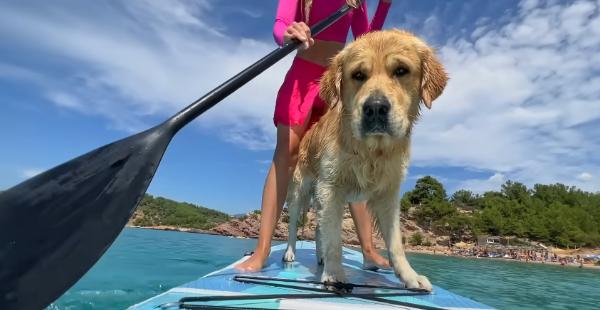
The seaside can be a great place to go for a walk with your dog; strolling along the shore in the morning or evening can be an incredibly beneficial and enjoyable experience for both you and your pet. However, before heading there, make sure to check whether dogs are allowed.
Hilly and Natural Locations
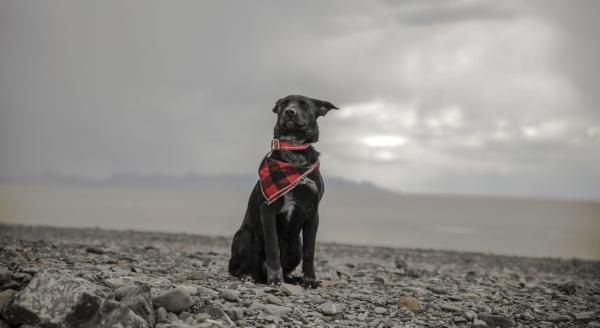
If your dog enjoys walking and exploring the outdoors, visiting a quiet hilly area can be a great option; here, it can enjoy the fresh air and natural surroundings. However, keep in mind that you should avoid difficult terrain and always keep the dog close to you.
Nature and Forest Areas
Open green spaces and natural surroundings can make traveling with your dog truly special; such locations allow for longer walks and offer a peaceful setting to spend quality time with your pet.
However, it is crucial to adhere to local regulations when visiting forests or natural areas. Many places do not allow dogs, and wild animals may also pose risks.
Lakes and Quiet Countryside
If you and your dog prefer to stay away from crowds, a quiet rural area or a lakeside location would be an excellent choice. Here, you can relax and spend quality time with your dog without the disturbance of excessive noise. Just ensure that your chosen accommodation allows dogs.
Choosing a mode of transport for traveling with a dog
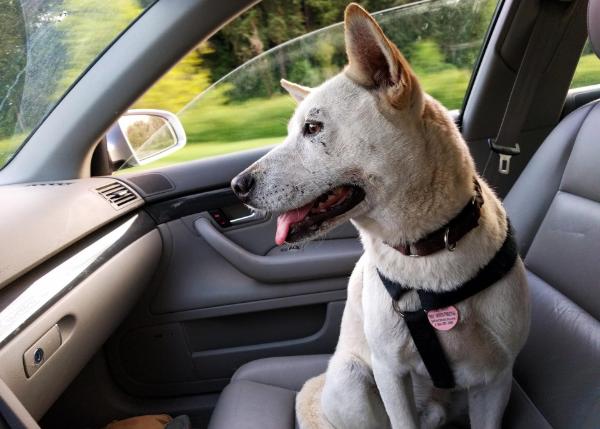
When choosing a mode of transport for your journey, it is important to consider not only how quickly you will arrive but also which method will cause the least discomfort to your dog.
If your dog is comfortable in a car, traveling by road can be convenient; just remember to make frequent stops along the way to give your dog water and let it stretch its legs.
If you plan to travel by train, check the relevant regulations beforehand, as rules regarding pets can vary across different services.
When traveling alone, it is best to choose a mode of transport that allows you to easily keep an eye on your dog and assist it if necessary.
How to keep your dog safe while traveling alone
When traveling alone with your dog, their safety is your primary responsibility. Avoid leaving your dog unsupervised in unfamiliar places, and always keep them on a leash in crowded areas; the leash ensures they remain safe should they suddenly bolt out of fear.
Avoid staying outdoors for extended periods during the heat of the day, always carry clean water, and allow your dog to rest as needed. Be mindful that your dog might ingest something harmful in a new environment, so keep a close watch on what they eat while out and about.
How to manage food and drink when traveling with a dog
It is not advisable to suddenly change your dog’s diet during a trip; try to stick to the food it usually eats and pack enough of it in advance. Relying solely on buying food along the way is risky, as suitable food may not always be available.
Ensuring regular hydration is crucial, especially during hot weather. It is also better to feed the dog its usual portions rather than giving it too much food at once; feeding it unfamiliar or spicy food during the journey could upset its stomach.
If your dog gets extremely anxious while traveling or has a sensitive stomach, consulting a veterinarian beforehand can help ensure a comfortable and smooth journey.
Conclusion
Traveling alone with your dog might feel a bit daunting at first, but there is no need to worry; I have traveled with my dog and never faced any issues that caused alarm. However, good planning can turn this into a truly wonderful experience. Remember, you shouldn’t just plan based on your own preferences and destinations; you must also keep your dog’s needs in mind.
Therefore, always choose the right location, research your mode of transport in advance, carry all necessary supplies, and prioritize your dog’s safety. Most importantly, rather than rushing through the trip, it is better to travel at a pace that suits your dog’s comfort and needs.